Geopolitical Thaw: Bitcoin Rallies as US-Iran Peace Deal Reopens Strait of Hormuz: LatestDeFiNews
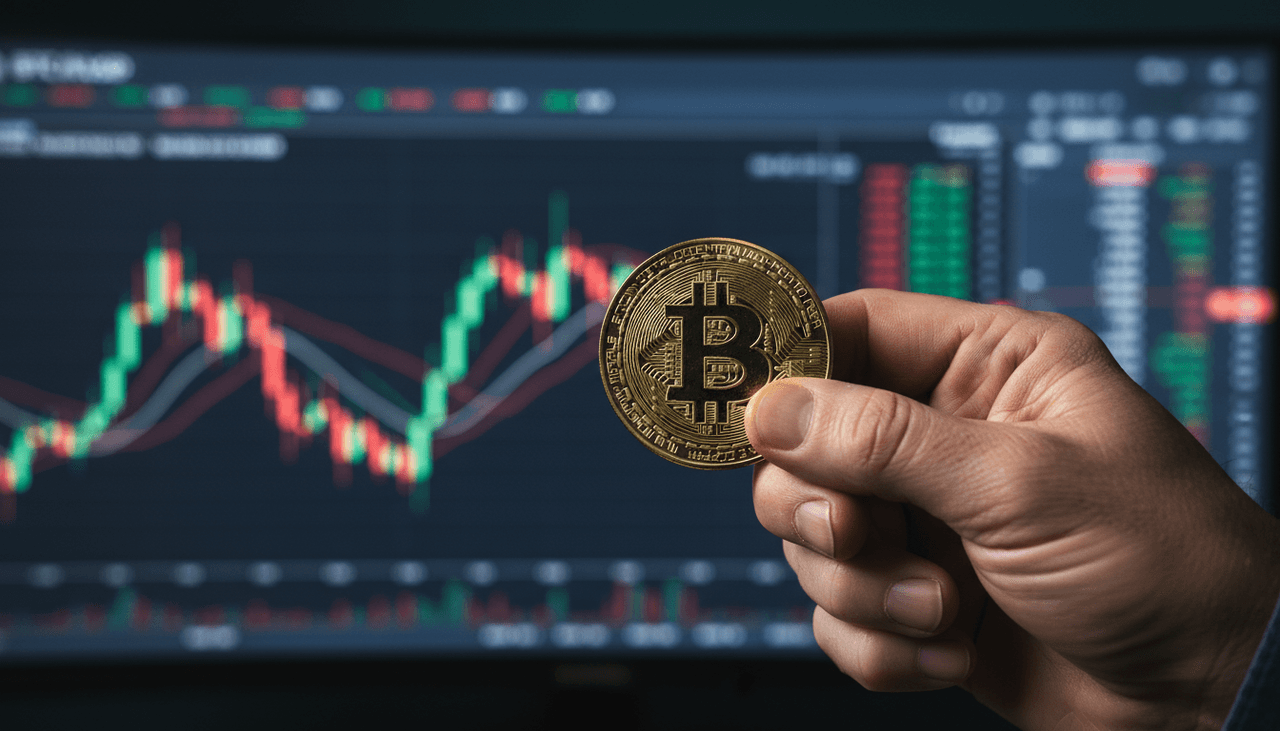
Bitcoin surged over 2% to its highest level since early June, breaking past $65,000, following news of an interim peace agreement between the United States and Iran. The deal, set to reopen the crucial Strait of Hormuz, sent crude oil prices tumbling and buoyed global stock markets.
Why it matters
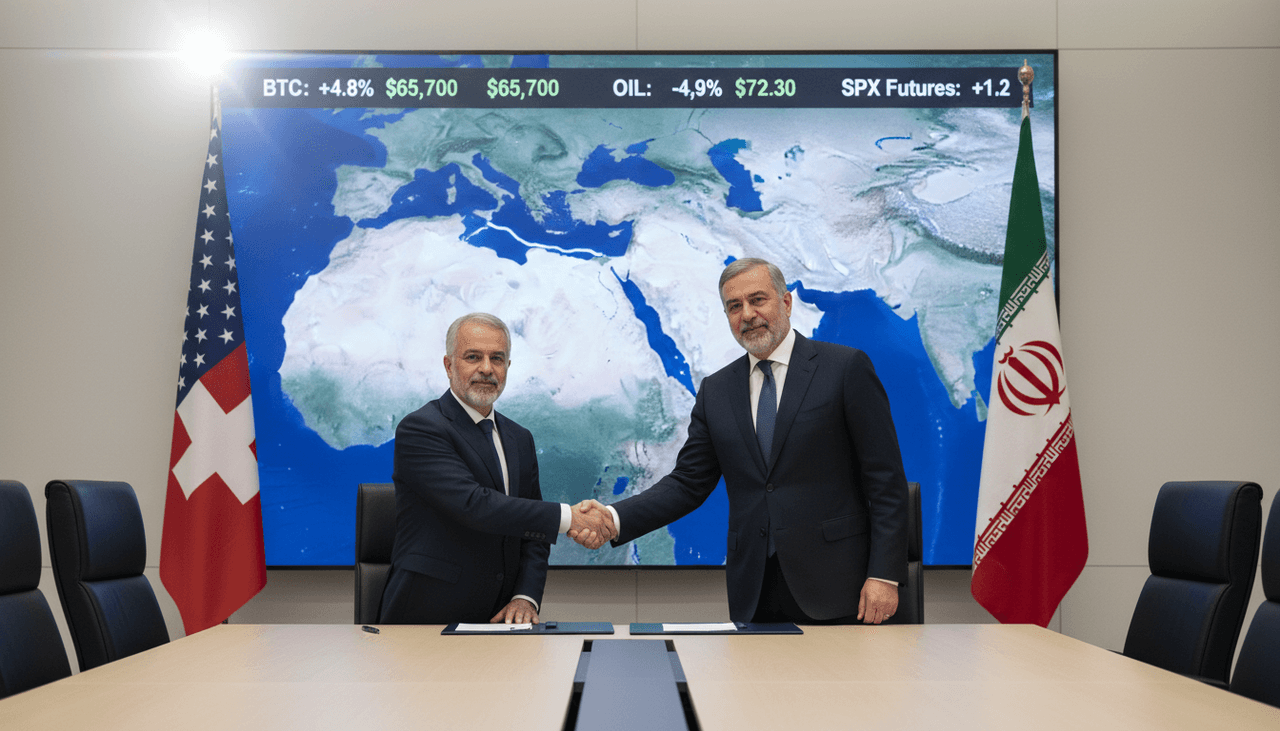
A significant diplomatic breakthrough has seen the United States and Iran agree to an interim peace deal, slated for signing in Switzerland. This unexpected de-escalation of hostilities, which includes the reopening of the strategically vital Strait of Hormuz, immediately reverberated through global markets. Bitcoin responded with a notable rally, climbing to $65,700, its highest point since a recent downturn. Concurrently, WTI crude oil plunged nearly 5%, reflecting reduced supply concerns, while U.S. stock futures moved higher, signaling a broader return to risk-on sentiment across financial assets. The development marks a pivotal moment for geopolitical stability and its economic implications.
Market focus
Key takeaways
- Bitcoin surged over 2% to $65,700 following news of an interim peace deal between the US and Iran, marking its highest level since early June.
- The agreement includes the reopening of the strategically vital Strait of Hormuz, leading to a nearly 5% plunge in WTI crude oil prices.
- Global stock futures, including Nasdaq 100 and S&P 500, also rose, indicating a broader 'risk-on' sentiment across financial markets.
- This event highlights Bitcoin's increasing sensitivity to macro-geopolitical developments, acting as a beneficiary of reduced global uncertainty.
- Traders should monitor the deal's implementation and its continued impact on energy prices and overall market liquidity for future positioning.
Historic US-Iran Peace Deal Ignites Market Optimism
Global financial markets are reacting swiftly to news of an interim peace agreement between the United States and Iran. The landmark deal, which includes the critical reopening of the Strait of Hormuz, is set to be formally signed in Switzerland this Friday. This diplomatic breakthrough has immediately eased geopolitical tensions, sending a wave of optimism across various asset classes, with Bitcoin leading the charge among digital assets.
Bitcoin's Ascent Amid De-escalation
In the wake of the announcement, Bitcoin (BTC) saw a significant uptick, climbing over 2% in the past 24 hours to reach $65,700. This marks its highest valuation since the early June market correction, signaling renewed investor confidence and a potential shift in risk appetite. The cryptocurrency's rapid response underscores its growing sensitivity to global macro events, often acting as a bellwether for broader market sentiment.
Oil Prices Plunge, Stocks Rally
The impact of the US-Iran accord was particularly pronounced in the energy sector. West Texas Intermediate (WTI) crude oil prices plummeted by nearly 5%, falling to just under $81 per barrel—its lowest level in approximately two months. The reopening of the Strait of Hormuz, a vital chokepoint for global oil shipments, is expected to significantly alleviate supply concerns, contributing to the sharp decline. Simultaneously, U.S. equity markets reacted positively, with Nasdaq 100 futures rising 1.5% and S&P 500 futures gaining 0.9%, reflecting a broader 'risk-on' sentiment as geopolitical uncertainties recede.
Why This Matters for Crypto Investors
For traders and investors in the crypto space, this development carries several key implications. The reduction in geopolitical risk typically fosters a more favorable environment for growth assets. Bitcoin's rally suggests that, in this instance, it is being treated more as a risk-on asset benefiting from increased liquidity and investor confidence, rather than solely a safe-haven asset during times of crisis. This narrative shift is crucial for understanding Bitcoin's evolving role in the global financial landscape. Reduced energy costs, driven by lower oil prices, could also temper inflation expectations, potentially influencing central bank monetary policies and, by extension, the attractiveness of assets like Bitcoin.
What Traders Should Watch Next
Looking ahead, market participants should closely monitor the formal signing and subsequent implementation of the US-Iran peace deal. Any hiccups or further de-escalations could trigger additional market movements. Traders will be observing whether the current risk-on sentiment sustains itself, potentially leading to further capital rotation into cryptocurrencies and other growth-oriented assets. The stability of oil prices and the broader equity market performance will serve as key indicators for the continued trajectory of digital assets. The practical value for the community lies in recognizing how geopolitical stability directly translates into tangible market reactions, offering opportunities for strategic positioning in a less volatile global economic climate.