Philippine SEC Embraces RWA Tokenization for Investor Protection and Growth: LatestDeFiNews
The Philippine Securities and Exchange Commission (SEC) has indicated its proactive stance on real-world asset (RWA) tokenization, viewing it as a crucial step to expand legitimate investment avenues and safeguard local investors from illicit schemes.
Why it matters
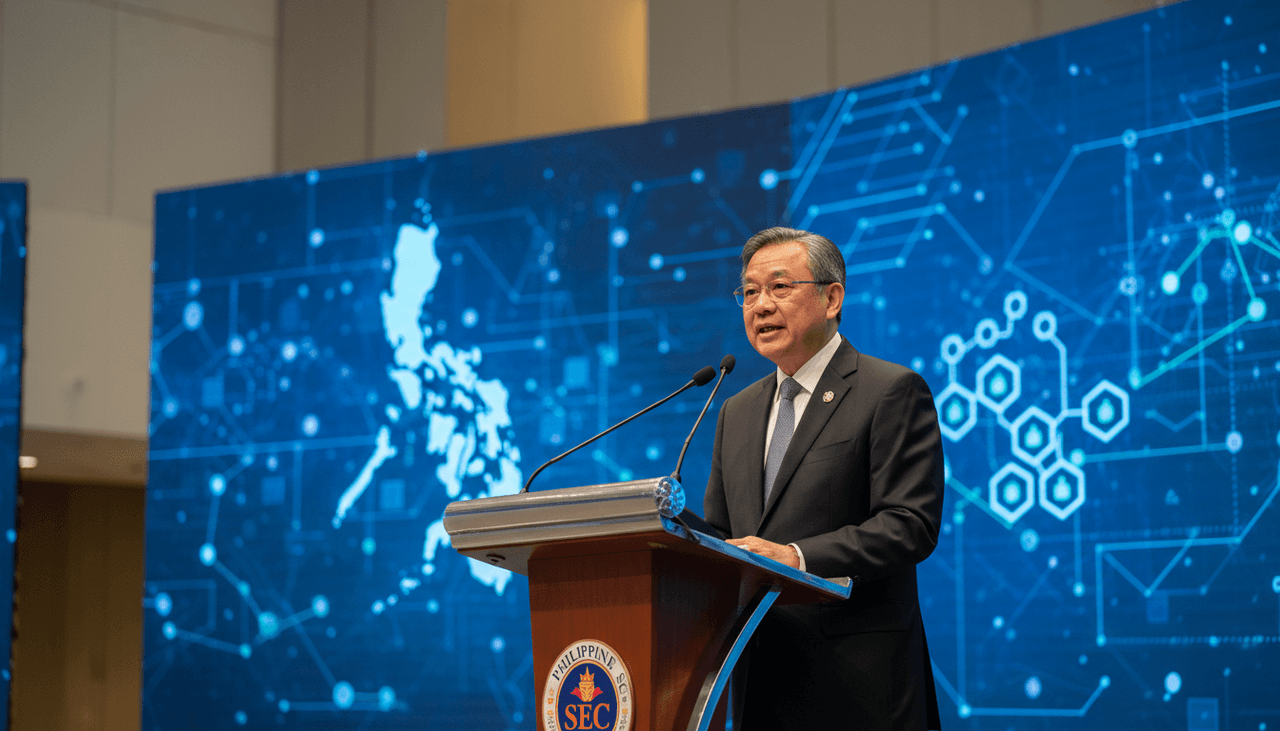
In a significant move for the Southeast Asian crypto landscape, Philippine SEC Commissioner Rogelio Quevedo has articulated the regulator's readiness to embrace the tokenization of real-world assets (RWAs). This forward-looking approach aims to provide Filipino investors with more legitimate and regulated investment opportunities, simultaneously acting as a bulwark against prevalent investment scams. The SEC's position signals a potential acceleration in the adoption of digital assets within the country's financial ecosystem, emphasizing investor protection and market integrity.
Market focus
Key takeaways
- The Philippine SEC is actively preparing for RWA tokenization, aiming to expand legitimate investment options for its citizens.
- Commissioner Rogelio Quevedo views RWA tokenization as a critical tool to combat investment scams and enhance investor protection.
- This regulatory readiness could significantly boost digital asset adoption and foster innovation within the Philippine financial sector.
- Investors and builders should anticipate forthcoming regulatory frameworks that will shape the landscape for tokenized real-world assets.
- The move positions the Philippines as a progressive player in Southeast Asia's burgeoning digital asset ecosystem.
Philippine SEC Signals Green Light for RWA Tokenization
The Philippine Securities and Exchange Commission (SEC) is actively preparing for the integration of real-world asset (RWA) tokenization into the nation's financial framework. Commissioner Rogelio Quevedo recently underscored the regulator's commitment, highlighting tokenized assets as a vital mechanism to offer Filipinos legitimate investment options while simultaneously steering them away from the pervasive threat of investment scams.
This proactive stance from the Philippine SEC marks a pivotal moment for digital asset adoption in the archipelago. By acknowledging and preparing for the tokenization of tangible and intangible assets—from real estate to intellectual property—the commission is laying groundwork for a more inclusive and secure investment environment.
Why RWA Tokenization Matters for the Philippines
The Philippines, like many emerging markets, has seen a surge in both legitimate crypto interest and fraudulent schemes. Commissioner Quevedo's emphasis on RWA tokenization as a tool against scams is particularly pertinent. By providing regulated, transparent, and accessible digital representations of traditional assets, the SEC aims to channel investor enthusiasm into verifiable opportunities, thereby diminishing the allure of illicit projects.
Beyond investor protection, the tokenization of RWAs holds substantial economic promise. It can unlock liquidity for illiquid assets, fractionalize high-value investments to make them accessible to a broader demographic, and streamline transaction processes through blockchain technology. For a developing economy, this could translate into enhanced capital formation, increased foreign investment, and a more dynamic financial market.
Market and Regulatory Implications
The SEC's readiness signals that forthcoming regulatory frameworks are likely to accommodate, rather than stifle, RWA tokenization. This clarity is invaluable for builders and innovators looking to develop protocols and platforms within the Philippines. It could attract significant investment into the local blockchain ecosystem, fostering job creation and technological advancement.
For the broader market, this move positions the Philippines as a forward-thinking jurisdiction in Southeast Asia, potentially setting a precedent for neighboring countries. The development of robust regulatory sandboxes or specific guidelines for RWA offerings will be crucial in shaping market confidence and ensuring sustainable growth.
What Traders and Investors Should Watch
Investors and traders should closely monitor the specifics of the regulatory guidelines that the Philippine SEC will eventually roll out. Key areas of interest will include:
- Asset Classes: Which types of real-world assets will be prioritized for tokenization?
- Platform Requirements: What compliance standards will be imposed on platforms facilitating RWA tokenization?
- Investor Safeguards: Beyond scam prevention, what specific protections will be in place for tokenized asset holders?
The emergence of regulated RWA offerings could diversify investment portfolios beyond traditional crypto assets, offering exposure to less volatile, real-world value drivers. This could appeal to a new segment of investors previously hesitant to enter the digital asset space.
The Broader Context: Southeast Asia's Digital Asset Push
The Philippines' proactive stance aligns with a growing trend across Southeast Asia, where regulators are increasingly exploring the potential of digital assets. From Singapore's Project Guardian to Thailand's digital asset regulations, the region is becoming a hotbed for blockchain innovation. The Philippine SEC's move ensures the country remains competitive and relevant in the evolving global digital economy, positioning it as a potential leader in regulated RWA adoption.
FAQ
What are Real-World Assets (RWAs) in the context of tokenization?
Real-World Assets (RWAs) refer to tangible or intangible assets from the traditional financial world, such as real estate, commodities, art, or even intellectual property, that are represented as digital tokens on a blockchain. This process, called tokenization, allows for fractional ownership, increased liquidity, and broader access to these assets.
How does RWA tokenization help protect investors from scams?
By bringing traditional assets onto regulated blockchain platforms, RWA tokenization can introduce greater transparency, immutability, and regulatory oversight. When the SEC endorses and regulates these offerings, it provides a legitimate framework that can help investors distinguish between genuine opportunities and fraudulent schemes, offering a safer investment environment.