U.S. SEC Clarifies: Crypto Wallet Software Not a Broker, Easing Developer Concerns: LatestDeFiNews
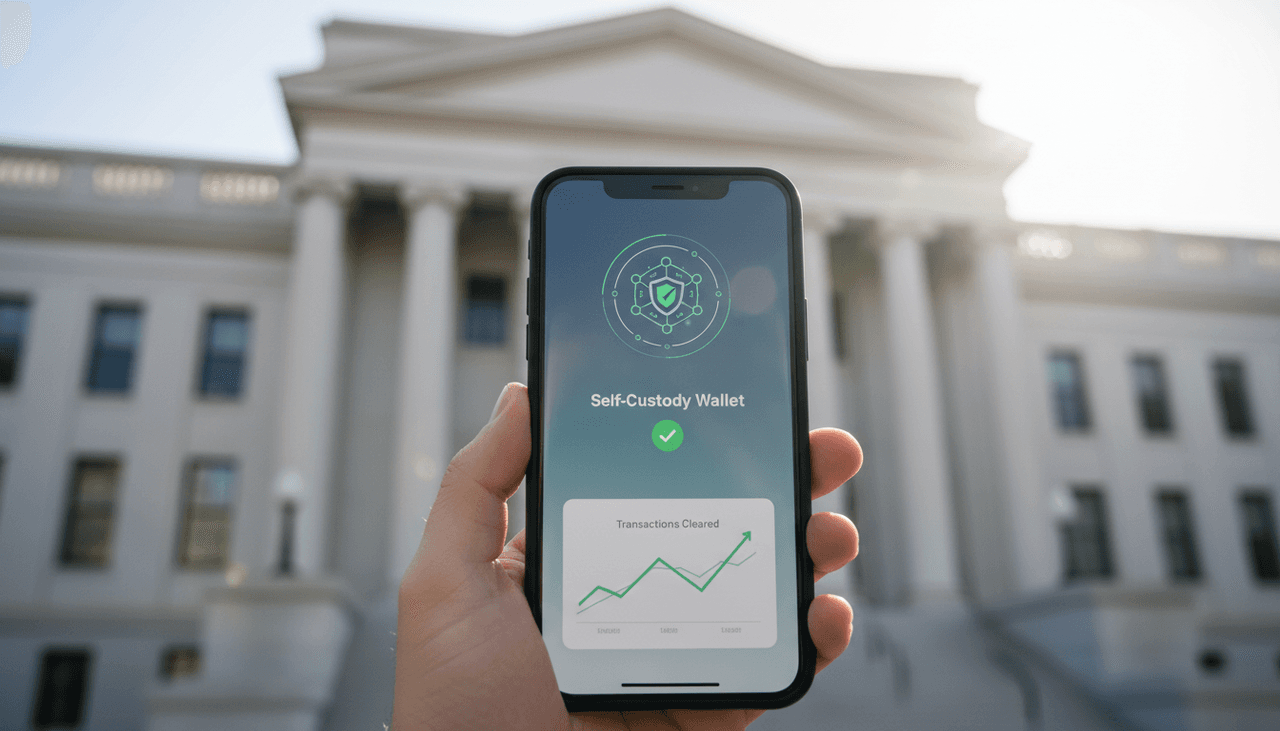
The U.S. Securities and Exchange Commission has issued a staff statement indicating that software facilitating crypto securities transactions through self-hosted wallets will not be deemed a broker, offering a significant, albeit interim, regulatory clarity for developers.
Why it matters
In a notable move, the U.S. SEC's staff has clarified its stance on crypto software, stating that interfaces enabling users to conduct securities transactions with their self-hosted wallets will not be regulated as brokers. This guidance, while not a formal rule, provides developers with a clearer path, particularly if their software avoids soliciting transactions, offering investment advice, or handling user assets. It signals a continued shift towards a more accommodating regulatory environment for crypto under the current administration, even as the agency works towards more permanent rules.
Market focus
Key takeaways
- The SEC staff has clarified that software enabling crypto securities transactions via self-hosted wallets is not automatically considered a broker.
- This regulatory relief is conditional: software must not solicit transactions, offer investment advice, or handle user assets.
- The statement is an interim guidance, not a formal rule, reflecting a broader pro-crypto shift under the current administration.
- This clarity could spur innovation in self-custodial wallet technology and decentralized applications.
- Market participants should distinguish between compliant interfaces and those that might cross into regulated broker activities.
SEC Staff Statement Offers Conditional Clarity for Crypto Software Developers
In a significant development for the digital asset industry, the U.S. Securities and Exchange Commission (SEC) staff has issued a policy statement clarifying that software interfaces enabling users to conduct securities transactions through their self-hosted crypto wallets will not, by themselves, be considered brokers. This guidance, published on April 13, 2026, offers a crucial, albeit interim, layer of regulatory certainty for developers navigating the complex U.S. crypto landscape.
What the SEC's Stance Means for the Industry
The core of the SEC staff's view is that software merely providing an interface for users to manage their own crypto securities transactions from their personal wallets does not trigger broker-dealer registration requirements. This aligns with the agency's evolving perspective that developers should generally be able to build tools without immediately facing stringent financial intermediary regulations.
However, this clarity comes with important caveats. The SEC provided a checklist of conditions to remain outside the regulatory scope. Crucially, the software must:
- Not solicit investors for specific crypto asset securities transactions.
- Refrain from providing commentary or recommendations on potential execution routes.
Conversely, if an interface ventures into offering financing, providing investment recommendations, handling user assets, taking orders, or executing transactions, it would likely fall within the agency's regulatory purview. This distinction is vital for builders designing decentralized applications (dApps) or wallet-integrated services.
Broader Regulatory Context and Future Outlook
This staff statement is the latest in a series of similar findings from the SEC, reflecting a broader shift in regulatory approach under President Donald Trump's administration and SEC Chairman Paul Atkins. The administration has reportedly pushed for a more favorable regulatory environment for crypto, leading to a succession of pro-crypto statements and clarifications from the regulator. These efforts aim to provide the industry with some operational clarity in the absence of comprehensive, permanent rules.
It is critical for market participants to understand that staff statements, while indicative of the agency's current thinking, do not carry the full legal weight and permanence of formal rules. They represent an "interim step" as the Commission continues to deliberate on various regulatory issues and feedback from the industry.
Looking ahead, Chairman Atkins has indicated that wide-ranging SEC rules are nearing the proposal stage. Concurrently, legislative efforts like the Clarity Act in the Senate are also underway to cement crypto regulations into law. This parallel progression suggests that while interim guidance provides immediate relief, the long-term regulatory framework for crypto in the U.S. is still under construction.
Implications for Traders and Investors
For traders and investors, this clarification primarily impacts the infrastructure they use. The ability for developers to create user-friendly, self-custodial interfaces without immediate broker-dealer burdens could foster innovation in wallet technology and decentralized trading platforms. This could lead to more robust and secure tools for managing crypto assets, potentially enhancing user control and reducing reliance on centralized intermediaries for certain types of transactions.
However, users should remain vigilant. The distinction between a mere interface and a regulated broker is fine, and platforms that cross the line into offering advice or handling assets will still be subject to oversight. Understanding these boundaries is key for both builders and users to navigate the evolving regulatory landscape safely.