Bitcoin Dips Below $72,000 Amid Geopolitical Jitters and 'Extreme Fear': LatestDeFiNews
Bitcoin's price has retreated below the $72,000 mark, driven by heightened geopolitical tensions in the Middle East and a market sentiment characterized by 'extreme fear.' Comments from former President Donald Trump regarding the Iran situation have added to the uncertainty, pushing the market into what analysts descri
Why it matters
This report details Bitcoin's recent price drop below $72,000, attributing it to escalating 'Iran woes' and the broader geopolitical landscape. We examine how former President Donald Trump's remarks, advising observers to 'sit back and relax' despite an unresolved ceasefire, have influenced market sentiment. The article delves into the implications of a 'distribution phase' and 'extreme fear' gripping the crypto market, offering insights for traders and investors on navigating current volatility and identifying key indicators for future price action.
Market focus
Key takeaways
- Bitcoin's price has fallen below $72,000, primarily influenced by escalating geopolitical tensions linked to 'Iran woes' and broader market uncertainty.
- Former President Donald Trump's 'sit back and relax' comments, despite an unresolved ceasefire, have added to market ambiguity, impacting investor sentiment.
- The market is showing signs of a 'distribution phase,' where large holders may be selling, coupled with 'extreme fear,' indicating widespread investor anxiety.
- Traders should closely monitor geopolitical developments, key Bitcoin price support/resistance levels, and on-chain data for insights into future market direction.
Bitcoin Retreats Below $72,000 as Geopolitical Tensions Mount
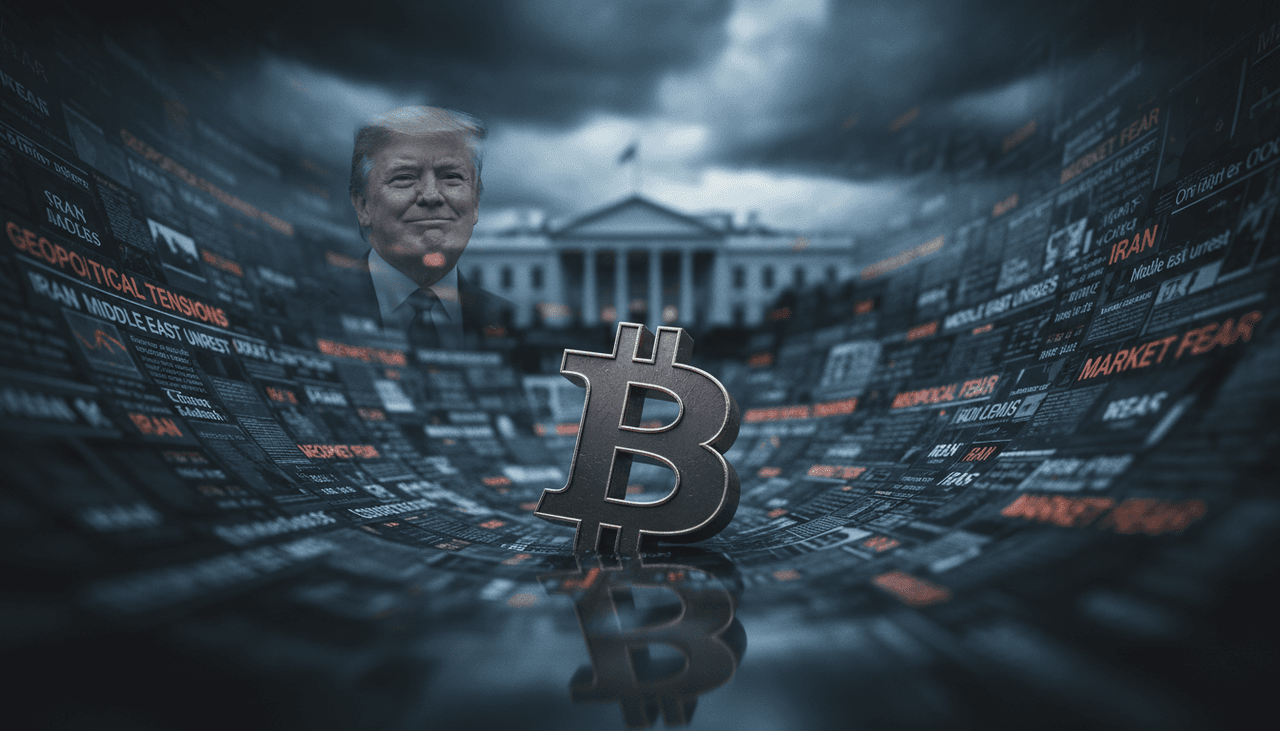
Bitcoin (BTC) has experienced a notable downturn, with its price dipping below the crucial $72,000 threshold. This latest correction appears to be largely influenced by escalating geopolitical tensions, particularly those dubbed 'Iran woes,' which have injected a fresh wave of uncertainty into global financial markets, including the crypto sphere.
Adding to the complex narrative, former U.S. President Donald Trump weighed in on the situation, reportedly telling observers to 'sit back and relax' even as a ceasefire remains unresolved. Such statements, while potentially intended to calm, can often be interpreted differently by a nervous market, contributing to the prevailing sentiment of caution.
The Shadow of Geopolitics: Why Iran Matters for Bitcoin
Geopolitical instability, especially in critical regions like the Middle East, frequently triggers a 'risk-off' environment across asset classes. While Bitcoin has often been touted as a safe-haven asset, its increasing correlation with traditional markets means it is not immune to global macro events. Tensions involving Iran, whether related to regional conflicts, oil supply, or diplomatic impasses, can lead investors to de-risk their portfolios, pulling capital from more volatile assets like cryptocurrencies.
Trump's comments, delivered against a backdrop of ongoing uncertainty, highlight the delicate balance between political rhetoric and market reaction. For traders, the key is to discern whether such statements signal a de-escalation or merely a temporary pause in a volatile situation. The unresolved ceasefire underscores the persistent underlying risk, keeping market participants on edge.
Decoding 'Distribution Phase' and 'Extreme Fear'
Analysts are increasingly describing the current market as being in a 'distribution phase.' In technical analysis, this term suggests that larger, more informed investors are systematically selling off their holdings to smaller, less informed buyers. This often precedes a significant price correction, indicating a shift in market control from 'strong hands' to 'weak hands.' For Bitcoin, this could imply that institutional players or long-term holders are taking profits or reducing exposure amidst the uncertainty.
Accompanying this technical outlook is a palpable sense of 'extreme fear' gripping the crypto market. Metrics like the Crypto Fear & Greed Index, which gauges market sentiment, likely reflect this heightened anxiety. While extreme fear can signal capitulation and potential buying opportunities for contrarian investors, it also points to a lack of conviction and increased selling pressure in the short term. This combination of distribution and fear suggests a period of consolidation or further downside could be on the horizon.
What Traders Should Watch Next
For traders and investors, navigating this environment requires vigilance. Key areas to monitor include:
- Geopolitical Developments: Any significant news regarding the Iran situation, diplomatic efforts, or military actions will be paramount.
- Bitcoin Price Levels: Watch for sustained breaks below current support levels or strong rejections at resistance. The $70,000 and $68,000 marks could become critical battlegrounds.
- On-Chain Metrics: Keep an eye on exchange inflows/outflows, whale activity, and long-term holder behavior for signs of accumulation or continued distribution.
- Macroeconomic Indicators: Broader economic data, central bank policies, and the performance of traditional risk assets will continue to influence Bitcoin's trajectory.
The current market dynamics underscore the importance of risk management and a clear understanding of both technical indicators and macro-geopolitical forces. While volatility is a constant in crypto, periods of extreme fear and distribution demand a more cautious and strategic approach.