MicroStrategy's Bitcoin Sale Sparks Market Jitters as Saylor Prioritizes Preferred Stock: LatestDeFiNews
MicroStrategy's recent sale of 32 Bitcoin for $2.5 million, intended to fund preferred stock distributions, has drawn market scrutiny. Executive Chairman Michael Saylor defended the move, emphasizing the company's focus on its STRC preferred stock as a premier credit instrument, even as Bitcoin prices dipped.

Why it matters
MicroStrategy, the public company with the largest Bitcoin treasury, executed its second-ever Bitcoin sale, offloading 32 BTC for $2.5 million. The proceeds are earmarked for distributions on its STRC preferred stock. Executive Chairman Michael Saylor quickly addressed the market, asserting MicroStrategy's ambition to make STRC the 'best credit instrument in the world' and reiterating the company's long-standing focus on maximizing Bitcoin per share for investors, rather than absolute BTC holdings. This strategic move comes amidst a broader market downturn, with Bitcoin dipping below $70,000, and has drawn comparisons to MicroStrategy's controversial 2022 sale near a cycle low, prompting renewed debate over the company's market timing and its impact on broader crypto sentiment.
Market focus
Key takeaways
- MicroStrategy sold 32 Bitcoin for $2.5 million to fund distributions for its STRC preferred stock, marking only its second BTC sale.
- Executive Chairman Michael Saylor emphasized making STRC the 'best credit instrument,' reiterating MicroStrategy's focus on maximizing 'bitcoin per share' over total BTC holdings.
- The sale's timing, with Bitcoin dipping below $70,000, drew comparisons to MicroStrategy's controversial 2022 sale near a market bottom, fueling investor speculation.
- The news contributed to a broader market dip for Bitcoin, though some altcoins like AI tokens showed resilience, while DeFi TVL hit a 20-month low.
MicroStrategy Sells Bitcoin, Saylor Defends Strategy Amid Market Dip
MicroStrategy, the enterprise software firm and largest publicly traded corporate holder of Bitcoin (BTC), has once again made headlines with a strategic sale of its digital assets. The company offloaded 32 Bitcoin for approximately $2.5 million last week, a move confirmed via an 8-K filing stating the proceeds would fund distributions for its STRC preferred stock.
Executive Chairman Michael Saylor, known for his unwavering bullish stance on Bitcoin, broke his silence on the matter, not to discuss the Bitcoin sale itself, but to underscore the company's evolving financial focus. On X, Saylor declared, "Our goal is to make STRC the best credit instrument in the world." This statement reinforces a long-held MicroStrategy philosophy: optimizing 'bitcoin per share' for shareholders, rather than simply maximizing the total amount of BTC held.
Why This Sale Matters Now
This marks only the second time MicroStrategy has sold Bitcoin since it began accumulating the asset in 2020. The first instance, in December 2022, saw the company sell BTC near the market bottom at approximately $18,000, just weeks after the FTX collapse. This latest sale occurred at an average price of $77,135, with Bitcoin subsequently trading around $70,000 and briefly dipping below $69,000 following the news.
The timing has not gone unnoticed by the crypto community, reigniting the 'buy high, sell low' jest often aimed at MicroStrategy's previous market timing. While Saylor consistently frames these decisions through the lens of capital allocation and shareholder value, the market's immediate reaction suggests a degree of investor unease.
Market Implications and What Traders Should Watch
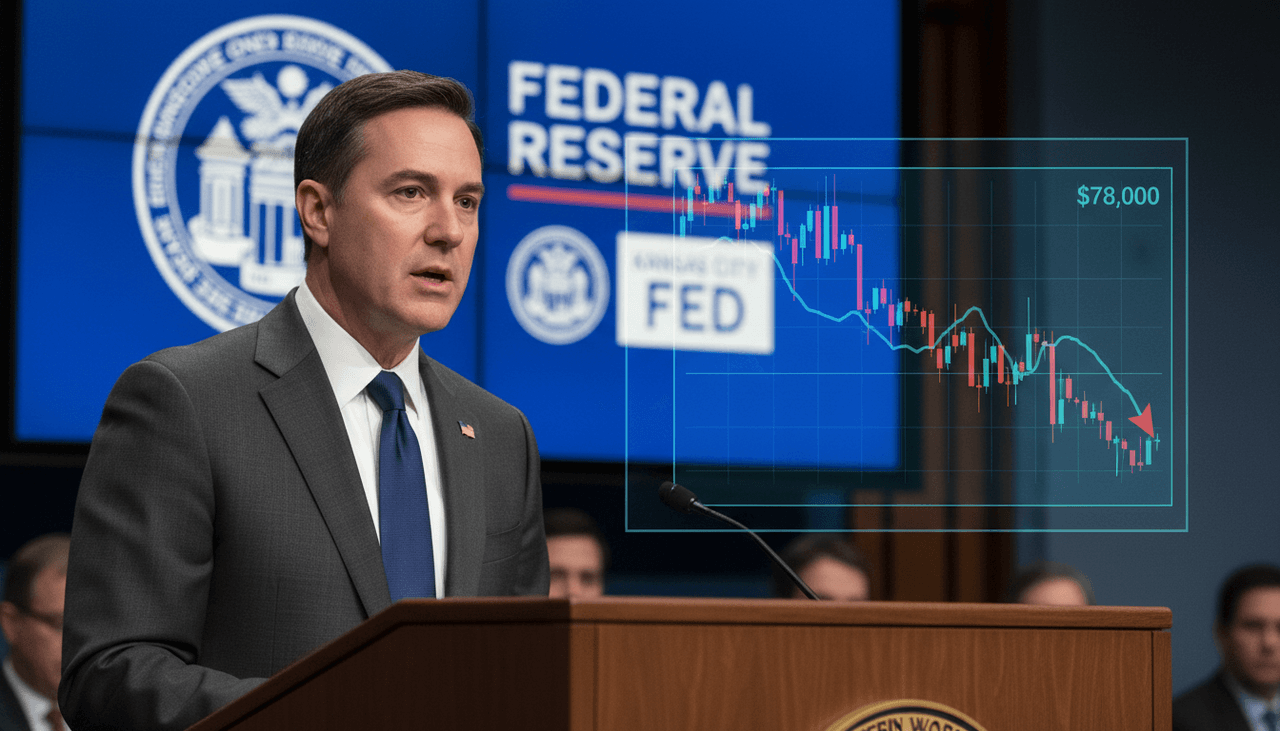
The announcement coincided with a broader downturn in the crypto market. Bitcoin's price dipped below the critical $70,000 psychological barrier, with seven of eight four-hour candles closing red in the immediate aftermath. This suggests MicroStrategy's sale, though relatively small in scale, contributed to a dent in market sentiment, especially given the company's prominent role as a corporate Bitcoin proxy.
For traders and investors, MicroStrategy's actions serve as a bellwether for institutional sentiment and capital allocation strategies. While Saylor's focus on STRC as a premier credit instrument might appeal to a different class of investor, the direct sale of Bitcoin inevitably impacts the broader market narrative. The question now is whether this sale, like its predecessor, will be viewed in hindsight as another instance of MicroStrategy selling into a local bottom, or if it signals a more nuanced approach to treasury management.
Beyond Bitcoin, the market saw interesting divergences. While BTC struggled, AI tokens like Humanity Protocol (H) and Near Protocol (NEAR) bucked the trend, advancing over the same 24-hour period. Concurrently, Total Value Locked (TVL) across DeFi protocols slid to a 20-month low, painting a picture of a market with fragmented performance and shifting capital flows.
Going forward, market participants will closely watch MicroStrategy's future capital allocation decisions and Saylor's continued commentary on the interplay between Bitcoin holdings and the company's preferred stock strategy. Any further sales, or significant shifts in rhetoric, could provide crucial signals for Bitcoin's short-to-medium term price action and broader institutional confidence.