US Military Confirms Bitcoin Node Operation, Citing National Security and Geopolitical Edge Against China: LatestDeFiNews
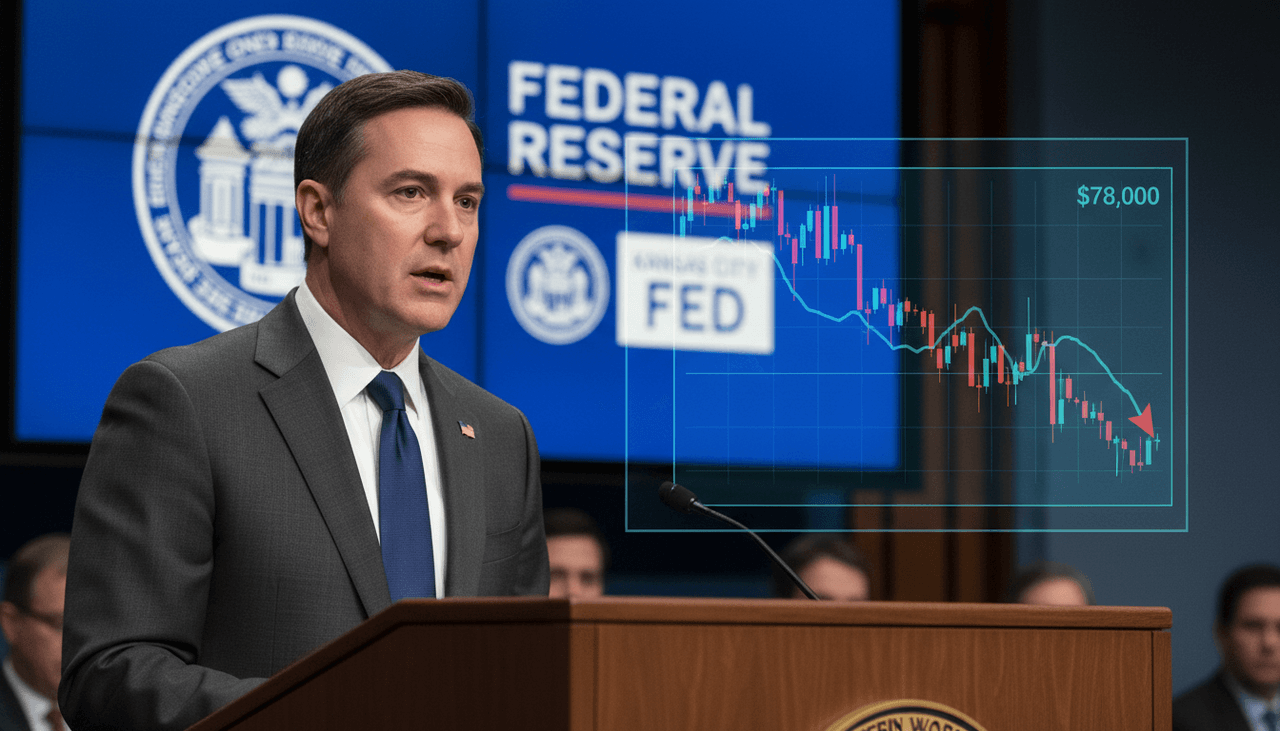
Admiral Samuel Paparo, head of US Indo-Pacific Command, revealed the military is running a live Bitcoin node for cybersecurity testing, framing the protocol as a critical tool for national power projection in competition with China.

Why it matters
The U.S. military, through its Indo-Pacific Command (INDOPACOM), has publicly confirmed it is operating a live Bitcoin node. Admiral Samuel Paparo disclosed this to congressional panels, emphasizing its use for cybersecurity testing and network protection. Crucially, Paparo positioned Bitcoin as a strategic asset for American "power projection" and national security, particularly in the context of geopolitical competition with China, highlighting a significant shift in official perception of decentralized technologies.
Market focus
Key takeaways
- The U.S. military, through INDOPACOM, is operating a live Bitcoin node for cybersecurity testing and network protection.
- Admiral Samuel Paparo views Bitcoin as a strategic tool for American "power projection" and national security, especially in competition with China.
- This marks a significant shift, as a major government entity is directly participating in a network often seen as resistant to state control.
- The move validates Bitcoin's underlying technology for its robustness and resilience, potentially influencing broader institutional adoption and regulatory perspectives.
US Military's Strategic Embrace of Bitcoin
In a significant disclosure to congressional panels this week, Admiral Samuel Paparo, commander of U.S. Indo-Pacific Command (INDOPACOM), confirmed that the U.S. military is actively operating a live node on the Bitcoin network. This revelation, made during hearings with both the House and Senate Armed Services Committees, marks a pivotal moment in the intersection of national security and decentralized technology.
Admiral Paparo clarified that the node is not being used for Bitcoin mining, but rather for critical cybersecurity testing and to conduct operational assessments aimed at securing and protecting networks using the Bitcoin protocol. His statements underscore a strategic pivot, viewing Bitcoin not merely as a financial asset, but as a robust infrastructural layer with national security implications.
Bitcoin as a Tool for "Power Projection"
Beyond cybersecurity, Paparo articulated a broader vision, describing Bitcoin as having "incredible potential" as a tool for American "power projection" and national security. This framing positions Bitcoin within the context of geopolitical competition, specifically against China, where INDOPACOM oversees U.S. military operations across the vast Indo-Pacific theater.
This perspective represents a notable evolution in how powerful governments perceive Bitcoin. Historically, Bitcoin's design principles—decentralization, censorship resistance, and independence from central authorities—have often been seen as a defense against state control. Now, a major U.S. combatant command is actively engaging with the network, suggesting a recognition of its inherent resilience and utility as a strategic asset.
Understanding the Node: Not Mining, But Monitoring
For those less familiar with the technical aspects, a Bitcoin node is essentially a computer that stores a complete copy of the blockchain's transaction history and enforces the network's rules. By relaying validated transactions across the peer-to-peer network, nodes ensure the integrity and security of the entire system. Unlike mining, running a node does not yield financial rewards and does not require specialized hardware, making it accessible to anyone wishing to independently verify the network's state.
While there are tens of thousands of publicly reachable full nodes globally, the U.S. military's direct participation, even with a single node, carries symbolic weight. It signals an official acknowledgment of Bitcoin's underlying robustness and its potential applications beyond its primary function as a digital currency.
Broader Implications for Crypto and National Security
For Traders and Investors
This development could significantly impact the perception of Bitcoin's long-term resilience and its potential for broader state-level adoption. The endorsement from a major military command might encourage further institutional and governmental interest, potentially bolstering Bitcoin's legitimacy and stability in the eyes of traditional finance.
For Builders and Protocols
For the wider decentralized technology community, this serves as a powerful validation of Bitcoin's core design. It highlights the protocol's robustness and its ability to withstand scrutiny from even the most demanding security environments. This could inspire further exploration of decentralized network applications in critical infrastructure and national security contexts, extending beyond Bitcoin to other robust protocols.
Regulatory Angle
The U.S. military's engagement with Bitcoin could also influence future regulatory approaches. Recognizing Bitcoin's strategic value might lead to more nuanced policy discussions, moving beyond purely financial or illicit use concerns to acknowledge its potential as a tool for national interest. This could pave the way for frameworks that balance innovation with security.
Market Sentiment
Overall, this news is likely to be perceived as a bullish signal for Bitcoin. It underscores the asset's utility and strategic importance, moving it further into the realm of critical infrastructure rather than just speculative investment. This could contribute to a more positive long-term market sentiment, reinforcing Bitcoin's position as a foundational technology.
What to Watch Next
- Further Official Statements: Keep an eye out for additional comments or detailed explanations from U.S. officials regarding the scope and objectives of their Bitcoin node operations.
- Specific Use Cases: While currently focused on monitoring and testing, future disclosures might reveal more specific applications or research initiatives.
- International Reactions: Observe how other nations, particularly geopolitical rivals like China, respond to this development and whether it prompts similar strategic engagements with decentralized technologies.
FAQ
Why is the U.S. military running a Bitcoin node?
The U.S. military is running a Bitcoin node primarily for cybersecurity testing and to conduct operational assessments aimed at securing and protecting networks using the Bitcoin protocol. Admiral Paparo also stated it's for American "power projection" and national security, particularly in competition with China.
Does this mean the U.S. military is mining Bitcoin?
No, Admiral Paparo explicitly stated that the U.S. military is not mining Bitcoin. They are running a full node to monitor activity and test network security, which does not involve earning mining rewards or require specialized hardware.