Telegram Ban in Iran Backfires, Fuels 'Digital Resistance' via VPNs and Decentralized Tech: LatestDeFiNews
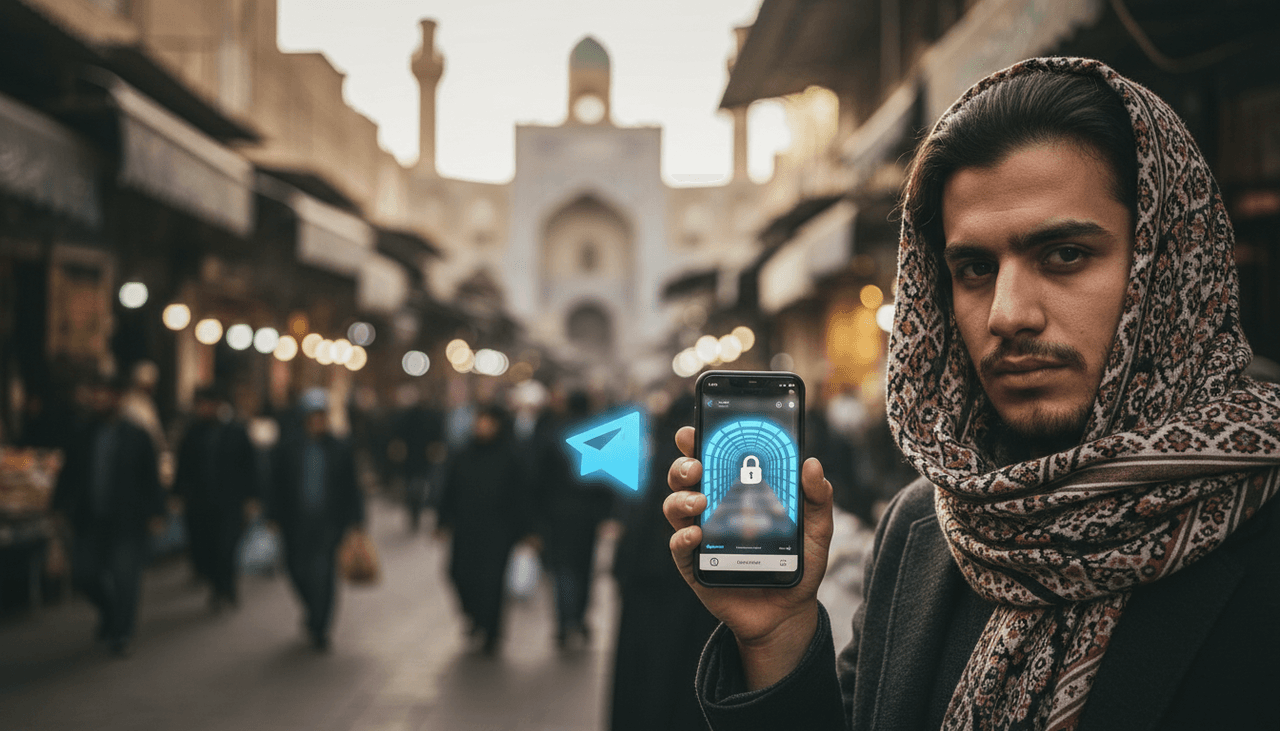
Telegram founder Pavel Durov reveals that Iran's attempt to block the messaging app has inadvertently led to widespread adoption of VPNs and decentralized tools, fostering a 'digital resistance' among its citizens.
Why it matters
Pavel Durov, the founder of Telegram, has stated that the Iranian government's years-long ban on the messaging application has not only failed but has actively backfired. Instead of curbing access, the ban has driven millions of Iranians to adopt Virtual Private Networks (VPNs) and other decentralized technologies to circumvent state controls, effectively creating a 'digital resistance.' This development underscores the growing power of decentralized tools in challenging state-imposed online restrictions.
Market focus
Key takeaways
- Government bans on digital services can inadvertently accelerate the adoption of censorship-resistant technologies like VPNs and decentralized apps.
- Decentralized communication tools, including mesh networks like BitChat and satellite internet services like Starlink, are proving effective in bypassing state-imposed internet restrictions.
- The 'digital resistance' movement, exemplified by millions in Iran and Russia using VPNs, underscores a global demand for privacy and unrestricted information access.
- For crypto investors and builders, these events highlight the growing utility and market potential for projects focused on privacy, secure messaging, and decentralized infrastructure.
Iran's Telegram Ban Fuels Unintended Digital Resistance
Telegram founder Pavel Durov recently highlighted a significant unintended consequence of the Iranian government's long-standing ban on his messaging application: a massive surge in the adoption of Virtual Private Networks (VPNs) and other decentralized tools. What began as an attempt to control online communication has, according to Durov, inadvertently fostered a robust 'digital resistance' among Iranian citizens.
Durov noted that despite the ban, tens of millions of users in Iran continue to access Telegram through VPNs. These tools route web traffic through global servers, masking users' actual IP addresses and allowing them to bypass national internet restrictions. Durov starkly summarized the situation: "The government hoped for mass adoption of its surveillance messaging apps, but got mass adoption of VPNs instead." He added that this digital resistance now includes over 50 million members in Iran, joined by another 50 million in Russia, where similar internet controls are in place.
Decentralized Technologies as a Bulwark Against Censorship
This phenomenon is a powerful testament to the efficacy of decentralized technologies in mitigating state-imposed online restrictions and surveillance. Proponents of blockchain, cryptocurrency, and encrypted messaging applications have long argued their role in promoting individual liberty and information freedom. The Iranian case provides a real-world example of this principle in action.
Beyond VPNs, the narrative extends to other innovative solutions. Despite a government ban, Iranians are reportedly still accessing the internet via Starlink, Elon Musk's satellite-based network. Furthermore, applications like BitChat, which utilize Bluetooth radio waves to form mesh networks between devices, offer an entirely offline method of communication, bypassing traditional internet infrastructure altogether. BitChat's impact was notably observed in Nepal and Madagascar, where spikes in downloads coincided with social media bans and periods of civil unrest, demonstrating its utility during critical times.
Implications for Traders, Investors, and the Crypto Ecosystem
For traders and investors in the crypto space, these developments are more than just geopolitical news; they highlight the intrinsic value proposition of decentralized protocols. The increasing demand for censorship-resistant communication and financial tools directly impacts the utility and adoption of projects focused on privacy, secure messaging, and decentralized infrastructure.
- Protocol Development: Builders in the decentralized space can draw insights from the success of VPNs, Starlink, and BitChat. The market clearly demands robust, user-friendly solutions that can withstand state-level censorship.
- Investment Opportunities: Projects developing privacy-preserving technologies, decentralized communication platforms, and infrastructure for global, unrestricted access could see increased interest and adoption, making them attractive investment targets.
- Regulatory Landscape: Governments worldwide are grappling with the challenge of controlling information in the digital age. The Iranian example suggests that bans can be counterproductive, potentially pushing citizens towards more sophisticated, decentralized alternatives that are even harder to monitor. This could influence future regulatory approaches to crypto and decentralized tech.
- Market Positioning: The 'digital resistance' narrative reinforces the core ethos of many decentralized projects – empowering individuals and resisting centralized control. This strengthens the long-term positioning of the crypto market as a whole, particularly for those focused on freedom and autonomy.
The ongoing struggle between state control and digital freedom continues to evolve. As governments seek to tighten their grip on information, the ingenuity of developers and the resilience of users, empowered by decentralized technologies, continue to find new ways to ensure open communication. This dynamic will undoubtedly shape the future of internet infrastructure and the broader crypto ecosystem.
FAQ
What did Pavel Durov say about the Telegram ban in Iran?
Pavel Durov stated that the Iranian government's ban on Telegram backfired, leading to mass adoption of VPNs by millions of users who continue to access the app, effectively forming a 'digital resistance'.
How are Iranians bypassing the Telegram ban and other internet controls?
Iranians are primarily bypassing the Telegram ban using Virtual Private Networks (VPNs). Additionally, some are accessing the internet via Starlink satellite services and communicating through mesh network applications like BitChat, which uses Bluetooth to connect devices offline.
What are the broader implications of this for decentralized technology and the crypto community?
This situation demonstrates the real-world utility and growing demand for decentralized technologies in countering state censorship. It reinforces the value proposition for projects focused on privacy, secure communication, and resilient infrastructure, offering insights for investors and developers in the crypto space.